


STOPS WATER SPREADING DAMAGE
NO THIN COSMETIC FILL
RIGHT FIX FOR THE WIDER AREA
A POTHOLE GETS WORSE BECAUSE THE STRUCTURE IS FAILING
Once water gets into a broken patch of asphalt, traffic quickly does the rest. The edges start to crumble, the hole opens out and what looked minor becomes a bigger repair. We carry out pothole repairs on roads, driveways, car parks, yards and access routes, but we do not treat every hole as the same job. We look at the surrounding cracking, movement, drainage and condition of the base to see whether a local patch will genuinely hold. With Tarmacadam Solutions (Scot) Ltd, the aim is a usable, even surface, not a repair that looks temporary from day one.
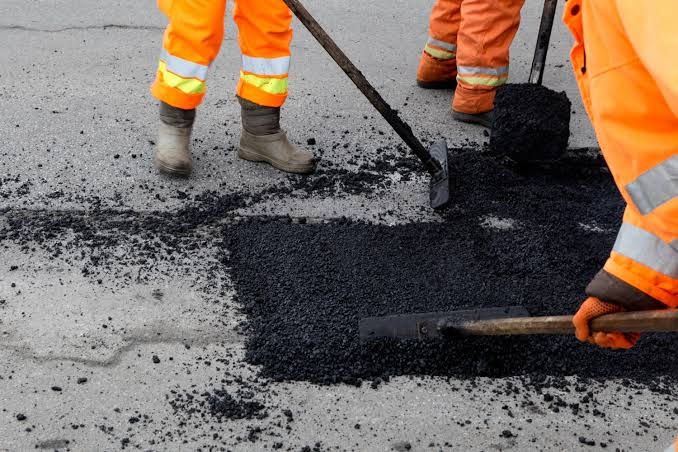

CUTTING BACK PROPERLY MAKES THE PATCH LAST LONGER
A durable repair starts by cutting back to sound material and removing loose or failed layers. From there, we prepare the base, rebuild the damaged area and reinstate it with suitable asphalt so the patch sits firmly within the surrounding surface. That sounds straightforward, but it is where rushed work often fails. When you use Tarmacadam Solutions (Scot) Ltd, we judge whether you are dealing with an isolated pothole, several damaged spots or a larger failed section that may need more than patching to solve.
FAQs
Can one pothole mean the whole surface is failing?
It can, but not always. One isolated defect may only need a local repair. If there is surrounding cracking, movement or poor drainage, the pothole can be a sign that the wider surface or base is starting to break down.
How do you make a pothole repair last?
We cut back to solid material, remove what has failed, prepare the base and reinstall the area with suitable asphalt. A repair lasts better when it is tied into sound edges and supported underneath, not just filled on the top.
Is it better to repair potholes quickly?
Yes. Water ingress and repeated wheel loading tend to enlarge the hole and weaken the edges. Sorting it sooner often means a smaller, cleaner repair instead of a wider section needing attention later.